Every year, over 1.8 million Indians experience a stroke, a life-altering event that disrupts motor function, independence, and quality of life. In Lucknow, where stroke incidence mirrors national trends, survivors often face a daunting question: “How long will my recovery take?” The answer isn’t simple, but understanding stroke recovery time and the role of specialized physiotherapy can provide hope and direction. At VS Physiotherapy Osteopathy Center and Chiropractic Clinic, Dr. Venkatesh Mishra combines clinical expertise with evidence-based rehabilitation protocols to help stroke survivors regain mobility, hand function, and independence.
Understanding Stroke Recovery Timeline: The Critical Windows
Stroke recovery follows a predictable yet individualized pattern. The brain’s remarkable ability to heal, known as neuroplasticity creates specific windows of opportunity where intensive rehabilitation yields maximum results.
The Acute Phase (First 2 Weeks)
The initial two weeks after a cerebrovascular accident focus on medical stabilization and preventing complications. During this critical period, healthcare teams assess neurological damage, manage blood pressure, and monitor for secondary strokes. Early mobilization, even in bed, begins to counteract muscle weakness and prevent contractures. Dr. Venkatesh Mishra emphasizes that early assessment during this phase establishes baseline function and guides personalized treatment planning.
The Sub-Acute Phase (2 Weeks to 3 Months)
This represents the golden period for stroke rehabilitation. Research consistently shows that the most dramatic functional improvements occur within the first three months post-stroke. The brain demonstrates heightened neuroplasticity during this window, making it the optimal time for intensive physiotherapy. Spontaneous recovery mechanisms activate, and dedicated rehabilitation can significantly influence long-term outcomes. This is when gait training, upper limb exercises, and activities of daily living practice yield remarkable progress.
The Chronic Phase (Beyond 3 Months)
While the rate of improvement may slow after six months, recovery doesn’t stop. Studies demonstrate that meaningful functional gains remain possible even years after stroke with consistent, targeted rehabilitation. The chronic phase requires maintenance therapy, advanced functional training, and lifestyle modifications to prevent recurrent strokes and maximize independence.
Gait Rehabilitation: Restoring Walking Ability After Stroke
Walking represents one of the most fundamental activities for independence. Stroke often causes hemiplegia or hemiparesis, affecting one side of the body and disrupting normal gait patterns. At VS Physiotherapy Clinic in Lucknow, Dr. Venkatesh Mishra employs comprehensive gait training strategies tailored to each patient’s specific impairments.
Assessment and Goal Setting
Recovery begins with thorough evaluation. Dr. Mishra conducts detailed gait analysis examining stride length, walking speed, balance control, and postural alignment. This assessment identifies specific deficits whether foot drop, impaired weight shifting, or reduced hip flexion, and establishes measurable rehabilitation goals. Understanding where you are determines how to get where you want to be.
Evidence-Based Gait Training Techniques
Task-Specific Training
The cornerstone of modern rehabilitation involves practicing the exact activities you want to improve. For ambulation, this means walking repeatedly and with proper form. Research confirms that intensive, individualized walking programs optimize recovery outcomes. Dr. Venkatesh Mishra structures sessions to include hundreds of repetitions, progressively challenging patients as they improve.
Body Weight-Supported Treadmill Training
This technique allows patients to practice walking patterns safely before achieving full strength. Partial body weight support reduces fall risk while enabling high-repetition practice. The treadmill’s consistent pace helps normalize stride patterns and improve cardiovascular endurance simultaneously.

Functional Electrical Stimulation
For patients struggling with foot drop, a common post-stroke complication; functional electrical stimulation provides targeted muscle activation. Studies indicate that combining FES with traditional strengthening interventions benefits rehabilitation by improving dorsiflexion during the swing phase of gait. This technology complements manual therapy and exercises in Dr. Mishra’s comprehensive treatment protocols.
Balance and Coordination Exercises
Walking requires complex coordination between multiple body systems. Proprioceptive training improves body awareness, weight-shifting exercises enhance dynamic balance, and core stability work provides the foundation for all movement. These components integrate into functional gait training, addressing the whole person rather than isolated symptoms.
Expected Timeline for Gait Recovery
Most patients begin seeing early improvements within two to four weeks of starting intensive rehabilitation. The ability to stand independently typically returns before walking. By three to six months, many stroke survivors achieve functional walking ability, though the specific timeline depends on stroke severity, age, overall health, and rehabilitation intensity. The first three months remain the most critical period, where consistent effort yields the greatest rewards.
Hand Function Recovery: Regaining Independence Through Upper Limb Rehabilitation
The human hand’s incredible complexity makes it particularly vulnerable to stroke damage. Fine motor control requires precise neural pathways that, when disrupted, prove challenging to restore. However, specialized hand therapy can facilitate remarkable recovery, returning function that many thought permanently lost.
Why Hand Recovery Presents Unique Challenges
Hands are anatomically distant from the brain and spinal cord, meaning nerve signals must travel farther to reach them. This increased distance, combined with the intricate neural circuits controlling precise movements like grasping or manipulating small objects, explains why upper extremity recovery often lags behind lower limb improvement. Research indicates that approximately 20 percent of stroke survivors don’t recover meaningful upper limb use, while 65-85 percent achieve partial recovery. Understanding these statistics helps set realistic expectations while maintaining hope for improvement.
Specialized Hand Therapy Techniques
Constraint-Induced Movement Therapy
This innovative approach limits healthy limb activity while intensely training the affected arm and hand. By restricting the unaffected side, CIMT forces the brain to relearn motor pathways to the impaired limb. Studies show this rebalances motor cortex activity, essentially rewiring the brain to overcome learned non-use, a phenomenon where patients unconsciously favor their functional limb, further weakening the affected side.
Repetitive Task-Specific Training
Similar to gait rehabilitation, hand recovery requires extensive practice of functional activities. Dr. Venkatesh Mishra designs programs incorporating grasping exercises, pinching movements, and manipulation of various objects. Whether practicing holding a cup, turning door handles, or using utensils, these real-world activities engage the brain’s motor planning centers while building strength and coordination. High-repetition exercises promote neuroplasticity and gradually restore lost function.
Sensory Re-education
Stroke often impairs sensory perception alongside motor function. Without proper sensation, controlling hand movements becomes extremely difficult. Tactile discrimination exercises help patients relearn distinguishing textures, temperature recognition training restores thermal awareness, and proprioceptive training improves hand position sense. These sensory components prove essential for coordinated, purposeful hand use.
Strengthening and Range of Motion
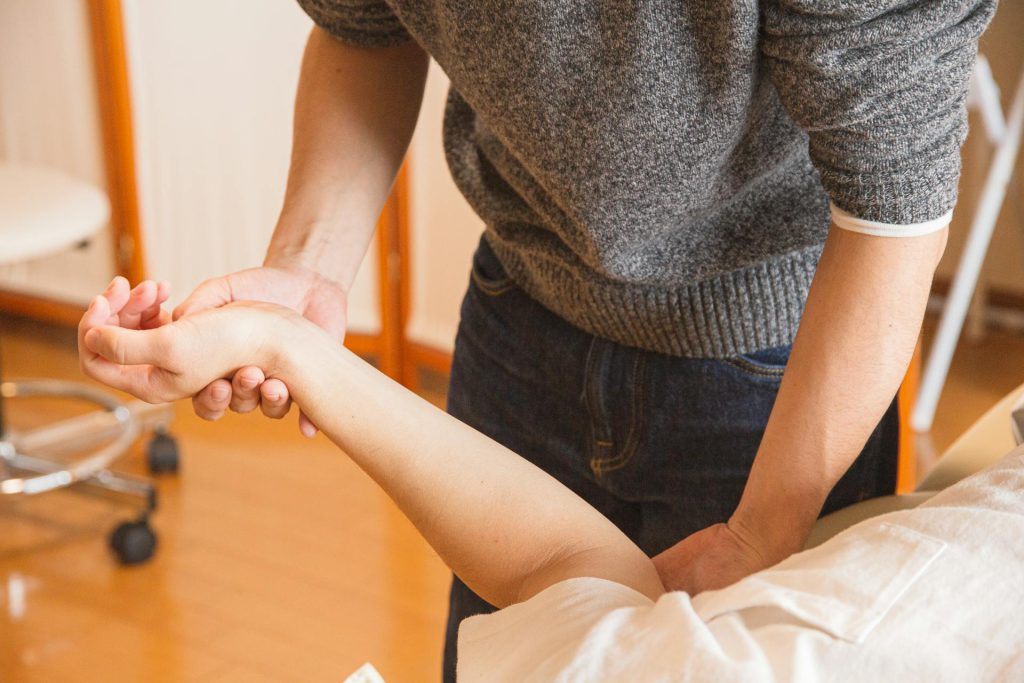
Comprehensive hand rehabilitation addresses both strength and flexibility. Progressive resistance exercises gradually rebuild muscle power, passive and active stretching maintains or improves joint mobility, and joint mobilization techniques applied by Dr. Mishra reduce stiffness and prevent contractures. Regular range-of-motion exercises prevent permanent joint limitations that could hinder functional recovery.
Hand Recovery Timeline: Setting Realistic Expectations
Research provides encouraging benchmarks for hand function recovery. Studies show that 70 percent of patients demonstrating early hand motion by four weeks achieve full or good recovery. Spontaneous recovery in precise hand function predominantly occurs within the first three to six months post-stroke. However, later recovery remains possible even after five years with dedicated therapy proof that persistence pays dividends. Dr. Venkatesh Mishra regularly witnesses patients defying statistics through committed participation in rehabilitation programs.
Dr. Venkatesh Mishra’s Integrated Approach at VS Physiotherapy Clinic
What distinguishes expert stroke rehabilitation from generic physical therapy? At VS Physiotherapy Osteopathy Center and Chiropractic Clinic in Lucknow, Dr. Venkatesh Mishra’s comprehensive approach addresses the whole person, not just isolated symptoms.
Clinical Expertise and Evidence-Based Practice
Dr. Mishra brings extensive training in chiropractic care, osteopathy, and neurological physiotherapy to his practice. This multidisciplinary background enables him to address musculoskeletal complications, joint mobility restrictions, and soft tissue dysfunction that often accompany stroke. His treatment protocols integrate the latest research findings with proven traditional techniques, ensuring patients receive effective, scientifically validated care.
Comprehensive Assessment Process
Every recovery journey begins with thorough evaluation. Dr. Mishra conducts detailed neurological examinations assessing muscle tone, reflexes, sensation, and coordination. The Fugl-Meyer Assessment quantifies motor function impairment, the Functional Independence Measure evaluates self-care abilities, and specialized gait analysis and hand dexterity testing identify specific deficits requiring attention. This data-driven approach ensures targeted, efficient rehabilitation.
Personalized Treatment Plans
No two strokes are identical, and neither are recovery plans at VS Physiotherapy. Dr. Mishra designs individualized programs based on each patient’s unique impairments, goals, and circumstances. One-on-one therapy sessions provide focused attention, combining traditional manual therapy techniques with modern technological interventions. Regular progress monitoring allows for real-time plan adjustments, ensuring treatment evolves as patients improve. Comprehensive home exercise programs extend rehabilitation beyond clinic walls, enabling continuous improvement.
Multidisciplinary Coordination
Optimal stroke recovery requires coordinated care across multiple specialties. Dr. Mishra collaborates with neurologists managing medical aspects, occupational therapists addressing fine motor skills and daily activities, and speech therapists when communication difficulties exist. This holistic approach ensures all recovery dimensions receive appropriate attention. Family education and caregiver training empower support networks to facilitate recovery between clinical sessions.
Factors Influencing Your Stroke Recovery Outcomes
While rehabilitation protocols provide structure, individual factors significantly affect recovery trajectories. Understanding these variables helps set realistic expectations and identify areas where you can maximize your improvement potential.
Stroke severity and location matter considerably. Smaller strokes affecting non-critical brain regions typically allow faster, more complete recovery than massive strokes damaging essential motor areas. Age and overall health influence rehabilitation tolerance and healing capacity, though motivation often outweighs chronological age. Timing of rehabilitation initiation proves critical early intervention improves outcomes by capitalizing on peak neuroplasticity periods. Rehabilitation intensity and consistency determine how effectively you exploit these recovery windows. Patient motivation and family support provide psychological fuel for the challenging recovery journey. Finally, managing complications like spasticity, pain, or depression prevents these issues from derailing progress.
Maximizing Your Stroke Recovery Potential: Practical Guidance
Armed with understanding about stroke recovery time and rehabilitation techniques, how can you optimize your outcomes? Dr. Venkatesh Mishra offers these evidence-based recommendations:
Start Early: Begin physiotherapy as soon as your medical team confirms stability. The sub-acute phase offers maximum neuroplasticity, don’t waste this precious window.
Stay Consistent: Recovery demands daily commitment. Follow prescribed exercise programs faithfully, even when progress seems slow. Neuroplasticity requires repetition.
Practice at Home: Clinic sessions provide guidance and intensity, but home practice extends rehabilitation throughout your week. Dr. Mishra provides detailed home exercise programs designed for safe independent practice.
Set Realistic Goals: Work collaboratively with your physiotherapist establishing achievable short-term and long-term milestones. Small victories build momentum toward larger achievements.
Stay Motivated: Stroke recovery tests patience and persistence. Celebrate incremental improvements rather than fixating on deficits. Every step forward matters.
Maintain Communication: Regular follow-ups with Dr. Venkatesh Mishra allow timely adjustments to your treatment plan, addressing emerging issues and capitalizing on progress.
Begin Your Recovery Journey at VS Physiotherapy Clinic, Lucknow
Stroke recovery time varies tremendously between individuals, but one universal truth remains: specialized, intensive physiotherapy significantly improves outcomes. The critical windows for neuroplasticity particularly the first three to six months offer unparalleled opportunities for functional restoration. However, even years post-stroke, dedicated rehabilitation continues yielding benefits.
At VS Physiotherapy Osteopathy Center and Chiropractic Clinic in Lucknow, Dr. Venkatesh Mishra combines clinical expertise, evidence-based protocols, and personalized care to guide stroke survivors through their recovery journeys. Whether you’re struggling with gait abnormalities, hand function impairment, or both, comprehensive rehabilitation can help you reclaim independence and quality of life.
Don’t let another day pass without taking action toward recovery. Contact VS Physiotherapy Clinic today to schedule your consultation with Dr. Venkatesh Mishra. Located conveniently in Lucknow at C-18 Kalyanpur (West) Front of SRM (TATA) Motors Mazar waali Gali, Tedhi Pulia Ring Road, the clinic offers flexible appointment scheduling to accommodate your needs. Your recovery journey begins with a single step, make that step today.
VS Physiotherapy Osteopathy Center and Chiropractic Clinic
C-18 Kalyanpur (West), Front of SRM (TATA) Motors Mazar waali Gali
Tedhi Pulia Ring Road, Lucknow, Uttar Pradesh 226022
Phone: +91 70079 32170
Hours: Monday-Friday, 8 AM–2 PM, 4–7 PM
Saturdays – 8:00 AM – 5:00 PM
Closed on Sundays
Begin your path to recovery with expert guidance, proven techniques, and compassionate care. Dr. Venkatesh Mishra and the VS Physiotherapy team are ready to help you reclaim your life after stroke.