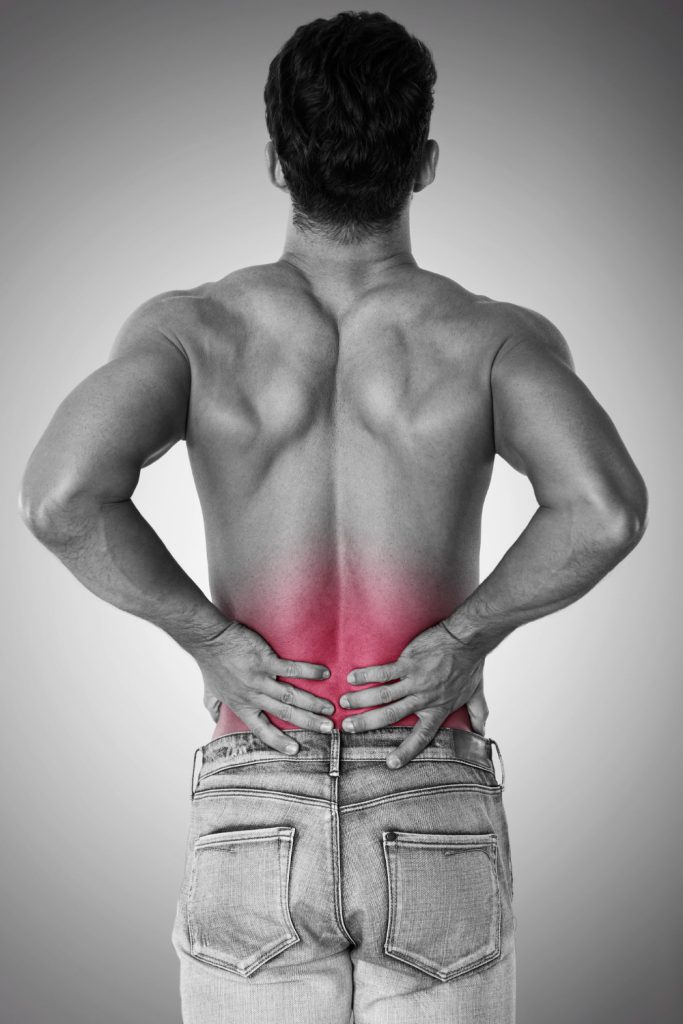
Back pain has a way of stopping life in its tracks. One wrong movement while lifting something heavy, a sudden twist during exercise, or even sitting for too long can leave your back stiff and painful.
But here’s the tricky part: not all back pain comes from the same problem.
Two of the most common causes are muscle strain and a slipped disc (also called a herniated disc). Both can cause discomfort in the lower back, and at first they may feel quite similar. Many people assume they’ve slipped a disc when it’s actually just a strained muscle or the other way around.
Knowing the difference matters, because the treatment approach is different.
Let’s break down how these two conditions happen, what the symptoms feel like, and when it’s time to see a specialist.
What Is a Muscle Strain?
A muscle strain happens when the muscles or tendons in the back are overstretched or slightly torn.
This usually occurs due to:
- Lifting something heavy incorrectly
- Sudden twisting movements
- Poor posture for long periods
- Sports injuries
- Overuse during exercise
The lower back contains many muscles that support the spine. When these muscles are pushed beyond their limits, small tears develop in the fibers, which leads to pain and stiffness.
Common symptoms of a muscle strain
People with a back muscle strain often notice:
- Localized pain in the lower back
- Stiffness when bending or twisting
- Muscle spasms
- Pain that improves with rest
- Discomfort that increases when using the affected muscles
The pain is usually centered in one area and doesn’t travel down the legs.
Most mild strains improve within a few days to a couple of weeks, especially with proper care and guided physiotherapy.
What Is a Slipped Disc?
Between each bone of the spine (vertebra) there is a soft cushion called a disc. These discs act like shock absorbers and help the spine move smoothly.
A slipped disc occurs when the soft inner part of the disc pushes outward through its outer layer. When that happens, the disc can press on nearby nerves.
This pressure on spinal nerves is what causes the typical symptoms of a slipped disc.
Common causes of a slipped disc
A disc problem can develop due to:
- Aging and disc degeneration
- Repeated strain on the spine
- Improper lifting technique
- Sudden injuries or accidents
- Long-term poor posture
While the term “slipped disc” is widely used, the disc doesn’t actually slip out of place. Instead, it bulges or herniates.
Symptoms of a Slipped Disc
Unlike a muscle strain, a slipped disc often affects nerves connected to the spine.
Because of this, the symptoms can extend beyond the lower back.
People often report:
- Sharp or burning pain in the lower back
- Pain that travels down the leg (sciatica)
- Tingling or numbness in the leg or foot
- Weakness in the leg muscles
- Pain that worsens when sitting or bending forward
If a nerve is compressed significantly, everyday activities like walking or standing for long periods may become difficult.
Slipped Disc vs Muscle Strain: Key Differences
Although both conditions affect the lower back, there are a few signs that help distinguish them.
1. Location of Pain
Muscle strain:
Pain stays mostly in the lower back.
Slipped disc:
Pain may spread into the buttocks, thigh, or leg.
2. Nerve Symptoms
Muscle strain:
Usually does not cause numbness or tingling.
Slipped disc:
Often causes tingling, numbness, or weakness in the leg.
3. Pain During Movement
Muscle strain:
Pain increases when using the affected muscles but may ease with rest.
Slipped disc:
Pain may worsen with sitting, bending forward, coughing, or sneezing.
4. Recovery Time
Muscle strain:
Typically improves within days or a couple of weeks.
Slipped disc:
May last longer and requires structured treatment.
Why Self-Diagnosis Can Be Misleading
One of the biggest mistakes people make with back pain is assuming they know the cause.
A person with a muscle strain might panic thinking they have a slipped disc. At the same time, someone with a disc issue might ignore symptoms thinking it’s just muscle soreness.
Because the spine is complex, accurate diagnosis matters.
A trained physiotherapist or spine specialist evaluates:
- Movement patterns
- Nerve function
- Muscle strength
- Posture and spinal alignment
In some cases, imaging such as an MRI may also be recommended to confirm the condition.
Treatment Options for Muscle Strain
Most muscle strains respond well to conservative care.
Treatment may include:
Physiotherapy
Guided exercises help relax tight muscles and restore flexibility.
Manual Therapy
Hands-on techniques reduce stiffness and improve spinal movement.
Dry Needling
Often used for muscle trigger points that cause persistent pain.
Laser Therapy (Class-4)
Advanced laser treatment can help reduce inflammation and accelerate tissue healing.
Posture Correction
Many back strains develop due to poor posture. Correcting sitting and standing habits prevents recurrence.
With proper treatment, most patients experience steady improvement.
Treatment Options for a Slipped Disc
A slipped disc does not automatically mean surgery.
In fact, most disc problems improve with non-surgical treatment.
Modern physiotherapy clinics use several advanced approaches to relieve pressure on spinal nerves and support recovery.
These may include:
Spinal Decompression Therapy
A specialized therapy that gently stretches the spine to reduce pressure on the disc.
Super Inductive System Therapy
A non-invasive treatment that stimulates deep tissues and helps reduce pain.
Shockwave Therapy
Helps improve blood circulation and healing in injured areas.
Manual Therapy
Targeted techniques restore movement in restricted spinal joints.
Osteopathy
Addresses the structural balance of the body and spine.
Matrix Rhythm Therapy
Used to improve muscle function and tissue healing.
Specialized Back Care Programs
Customized rehabilitation programs designed for spinal conditions.
With the right treatment plan, many patients return to normal activity without surgery.
When Should You See a Doctor?
Back pain that lasts a day or two after physical activity is common.
However, you should consult a specialist if you notice:
- Pain lasting more than one week
- Pain spreading to the leg
- Tingling or numbness in the foot
- Difficulty standing or walking
- Weakness in the leg muscles
Early treatment often prevents the condition from worsening.
Back Pain Treatment in Lucknow
For people dealing with persistent back pain, proper evaluation is the first step toward recovery.
At VS Physiotherapy Osteopathy Center and Chiropractic Clinic in Lucknow, patients receive comprehensive care for spine and musculoskeletal problems.
The clinic offers advanced therapies including:
- Physiotherapy
- Osteopathy
- Spinal Decompression Therapy
- Shockwave Therapy
- Super Inductive System Therapy
- Matrix Rhythm Therapy
- Manual Therapy
- Sports Injury Rehabilitation
Treatment plans are personalized based on each patient’s diagnosis and physical condition.
About Dr. Venkatesh Mishra
Treatment at the clinic is led by Dr. Venkatesh Mishra, a highly experienced physiotherapist specializing in spine and musculoskeletal rehabilitation.
Dr. Mishra has spent years helping patients recover from conditions such as slipped discs, chronic back pain, sports injuries, and postural disorders. His approach combines modern physiotherapy techniques with detailed movement analysis to address the root cause of pain rather than just the symptoms.
Many patients visit the clinic after struggling with persistent back pain that hasn’t improved with basic treatments. With a structured rehabilitation plan and advanced therapy options, they are able to gradually return to normal activities.
The Bottom Line
Back pain can have many causes, but muscle strain and slipped discs are among the most common.
A quick summary:
- Muscle strains cause localized back pain and usually heal with rest and physiotherapy.
- Slipped discs often involve nerve irritation, causing pain that travels into the leg.
- Proper diagnosis helps ensure the right treatment.
If your back pain isn’t improving or you’re experiencing symptoms like numbness or leg pain, it’s worth getting evaluated by a specialist.
Book an Appointment
If you’re dealing with persistent back pain or suspect a slipped disc, professional evaluation can help you get back to normal life sooner.
You can book an appointment with Dr. Venkatesh Mishra at VS Physiotherapy Osteopathy Center in Lucknow to receive a detailed assessment and personalized treatment plan.
Learn more about the doctor here:
https://www.lucknowphysiotherapy.com/about-dr-venkatesh-mishra/