
Medically reviewed by Dr. Venkatesh Mishra, BPT, MPT, Certified Dry Needling Practitioner
You bend to pick up a bucket, lift a bag from the car boot, or simply get out of bed, and something in your back grabs. The pain is sharp, the muscle feels like a fist, and for a few minutes you cannot straighten up. Many people in Lucknow describe this as “kamar mein nas chadh gayi” or “kamar akad gayi”.
In most cases this is a back muscle spasm. It is painful and frightening, but it is usually not a sign of serious damage. The muscle has tightened to protect your spine, and with the right steps it can be released. This guide explains why spasms happen, what you can do at home, how physiotherapy treats them, and when back pain needs a doctor straight away.
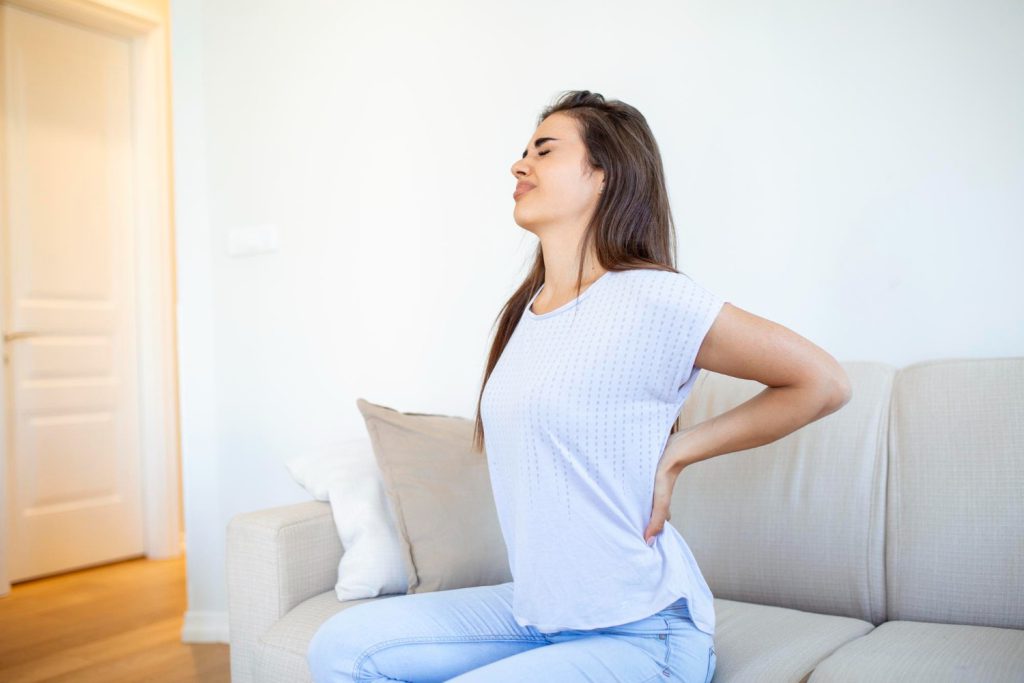
What is a back muscle spasm?
A back muscle spasm is a sudden, involuntary contraction of one or more muscles around the spine. The muscle tightens on its own and does not let go when you ask it to. A spasm can last a few seconds or a few minutes, and the area often stays sore and stiff for several days afterwards.
The muscles most often involved are the paraspinal muscles (the long muscles running either side of the spine), the quadratus lumborum deep in the lower back, and in the upper back, the trapezius and rhomboids. A paraspinal muscle spasm is the most common type we see in the clinic.
It helps to think of a spasm as a guard reaction. When the body senses strain or injury near the spine, the surrounding muscles clamp down to stop you moving into a position that might cause more harm. The guard is useful for a short time. The problem starts when it does not switch off.
What does a back spasm feel like?
Symptoms vary from a mild twinge to pain that stops you mid-step. Common signs include:
- A sudden, sharp or cramping pain in one area of the back
- A hard, tight or knotted muscle you can feel with your fingers
- Difficulty standing up straight, often leaning to one side
- Pain that gets worse when you bend, twist, cough or sneeze
- Stiffness and soreness that lingers after the spasm eases
- Pain that comes in waves, easing and then grabbing again
Some people feel the tightness wrap around the side of the body, which can be mistaken for a stomach cramp. If you have cramping in the stomach and back together, along with fever, burning urine, nausea or changes in bowel habits, the cause may not be the back muscles at all, and you should see a doctor.
Common causes of back muscle spasms
A spasm is usually the end point of something else. Finding that “something else” is what stops it from coming back.
1. Muscle strain from lifting or twisting
Sudden load is the most common trigger. Lifting a gas cylinder, a heavy bucket or a child while twisting at the waist can overload the back muscles. Small fibres strain and the muscle tightens around them.
2. Long hours of sitting and poor posture
Desk work, long drives and phone use add up. Sitting slumped for hours keeps some muscles stretched and others shortened. They tire, and a tired muscle is more likely to cramp. Our guide to physiotherapy for posture correction explains how these imbalances develop.
3. A protective spasm around a disc or joint problem
Sometimes the muscle is reacting to a deeper problem. A disc bulge, irritated facet joint or spinal stenosis can make the surrounding muscles tighten to protect the area. In these cases, treating only the muscle gives short-lived relief.
4. Weak core and hip muscles
When the deep stabilising muscles are weak, the back muscles work overtime. This is common after long periods of inactivity, after pregnancy, or in people who exercise in bursts at the weekend.
5. Dehydration and low minerals
Muscles need water and electrolytes to contract and relax normally. Not drinking enough water, especially in Lucknow summers, along with low magnesium, potassium, calcium or vitamin D, can make muscles more prone to cramping.
6. Stress and poor sleep
Mental stress shows up in the body. Stress keeps muscles slightly switched on through the day, and poor sleep or an unsupportive mattress gives them little chance to recover.
Lower, middle and upper back spasms
Lower back spasms are the most common, because the lumbar spine carries most of the body’s weight and takes the load in bending and lifting. Low back pain with muscle spasms often follows a lifting episode or a long day of sitting.
Middle back spasms are often linked to posture, rib joint stiffness or twisting movements, such as reaching into the back seat of a car.
Upper back spasms usually involve the muscles between the shoulder blades and around the neck. They are common in people who spend long hours on laptops and phones, and can come with neck stiffness and headaches.
What to do in the first 48 hours
The first two days set the tone for recovery. These steps help most simple spasms settle faster.
1. Keep moving gently
Complete bed rest usually makes things worse. Muscles stiffen when they are not used. Short, slow walks around the house every hour or two help keep blood flowing to the area. Move within comfort and stop if the pain becomes sharp.
2. Use ice first, then heat
Ice can calm fresh pain, heat relaxes a tight muscle. In the first day, an ice pack wrapped in a thin towel for 15 to 20 minutes can ease acute pain. After that, most people find a warm water bag or warm shower more soothing. Never put ice or a heating pad directly on the skin.
3. Find a position of ease
Take the load off the back. Lying on your back with a pillow under the knees, or on your side with a pillow between the knees, often lets the muscle relax. Some people are more comfortable lying on the stomach with a pillow under the hips.
4. Breathe slowly
Holding your breath tightens the muscles further. Slow breathing, with a long breath out, can help a spasming muscle let go.
5. Ask about medicines rather than guessing
Pain relief can make it easier to keep moving. Speak to your doctor or pharmacist before taking painkillers or muscle relaxants, especially if you have stomach, kidney or heart problems or take other medicines.
Gentle exercises once the worst has passed
Hard stretching during an acute spasm can make the muscle grip tighter. Once the sharp pain has eased, usually after a day or two, these gentle movements help restore motion. Do each one slowly, within comfort, 5 to 10 times:
- Pelvic tilts: lie on your back with knees bent and gently flatten, then arch, the lower back
- Single knee to chest: lying on your back, hug one knee towards the chest and hold for a few breaths
- Child’s pose: kneel, sit back on your heels and reach the arms forward on the floor
- Cat and camel: on hands and knees, slowly round and then gently arch the back
- Glute bridges: lying on your back, squeeze the buttocks and lift the hips a little off the floor
If any exercise sends pain down the leg or makes the spasm return, stop and get assessed.
How physiotherapy treats a back muscle spasm
A spasm that keeps coming back, or one that has not settled within a few days, needs more than rest and a hot water bag. Physiotherapy focuses on two things: releasing the muscle now, and fixing the reason it went into spasm. At VS Physiotherapy, Osteopathy & Chiropractic Clinic, treatment is planned after an examination and changes from patient to patient. A typical plan for back spasm draws on some of the methods below as part of our specialized back care programme.
1. A proper assessment first
Treatment depends on the cause. The physiotherapist checks your posture, how you move, which muscles are tight, and whether nerves are involved. Tests for nerve tension and reflexes help rule out disc problems that need a different approach.
2. Manual therapy and myofascial release
Hands-on work is often the quickest way to ease a tight muscle. Manual therapy techniques such as myofascial release, soft tissue work and gentle joint mobilisation reduce muscle guarding and restore movement in stiff spinal segments.
3. Dry needling for stubborn knots
Some spasms leave behind tight, tender trigger points. Dry needling uses fine, sterile needles to target these points. It can produce a quick release in muscles that have not responded to massage or stretching. Dr. Mishra is a certified dry needling practitioner.
4. Class 4 laser and therapeutic ultrasound
Electrotherapy can help settle pain and inflammation. Class 4 laser treatment delivers light energy deep into the tissue and is used to reduce pain and support healing. Therapeutic ultrasound is another option for warming and relaxing deep muscle tissue.
5. TENS for pain relief
TENS calms pain signals. TENS therapy uses mild electrical pulses through pads on the skin. It does not fix the cause, but short-term pain relief makes it easier to move and exercise.
6. Cupping therapy
Cupping lifts and decompresses tight tissue. Cupping therapy uses suction cups to draw up the skin and muscle. Many patients with chronic upper or lower back tightness find it relaxing and helpful alongside other treatment.
7. Chiropractic and osteopathic joint work
A stiff joint can keep a muscle in spasm. When a locked spinal or sacroiliac joint is driving the problem, gentle chiropractic adjustments or osteopathy can restore joint movement so the muscles no longer need to guard it. These are only used when the assessment shows they are suitable.
8. Exercise rehab to stop it coming back
This is the step most people skip, and why spasms return. Once pain has settled, the focus moves to core control, hip strength and posture. Supervised Pilates mat exercise is one way we build that deep stability.
If the assessment points to a disc bulge or nerve compression behind the spasm, treatment shifts towards the disc itself, which may include spinal decompression therapy.
How long does a back spasm last?
An individual spasm may last seconds or minutes. The soreness that follows a simple muscle strain usually settles over a few days to two weeks. Spasms linked to a disc problem, long-standing poor posture or weak core muscles tend to recur until the cause is addressed. If your back has not improved after a week of sensible self-care, or the spasms keep returning, get it assessed.
When a back spasm needs urgent attention
Most back spasms are not dangerous. See a doctor straight away if back pain comes with any of the following:
- Numbness, tingling or weakness in one or both legs
- Pain that shoots down the leg below the knee
- Loss of control over bladder or bowels, or numbness around the groin
- Fever, chills or unexplained weight loss
- Pain after a fall, accident or other injury
- Severe pain at night that does not change with position
- A history of cancer or osteoporosis
How to stop back spasms from coming back
- Bend at the hips and knees when lifting, keep the load close and avoid twisting while lifting
- Get up and move for a few minutes every 30 to 45 minutes of sitting
- Set up your desk so the screen is at eye level and your feet rest flat
- Drink enough water through the day, more in summer and after exercise
- Strengthen your core and hips with a few minutes of exercise most days
- Warm up before sport, gym or heavy household work
- Sleep on a mattress that supports the natural curve of your spine
- Find ways to manage stress, such as walking, breathing practice or yoga
Frequently asked questions
Can dehydration cause back spasms?
Yes, it can contribute. Muscles depend on water and electrolytes to contract and relax normally, so dehydration makes cramping more likely. It is rarely the only cause, though, and back spasms that keep returning usually have a mechanical cause as well.
What vitamin deficiency causes muscle spasms?
Low magnesium, potassium, calcium, vitamin D and vitamin B12 have all been linked to muscle cramps and spasms. If you get frequent spasms, ask your doctor about a blood test rather than starting supplements on your own.
Is a back spasm the same as a slipped disc?
No. A spasm is a muscle reaction, while a slipped (herniated) disc is a problem with the cushion between the vertebrae. A disc problem can trigger a spasm, which is why pain travelling down the leg, numbness or weakness should always be checked.
Should I rest in bed with a back spasm?
A short rest in a comfortable position is fine, but staying in bed for days tends to slow recovery. Gentle movement and short walks usually help the muscle relax sooner.
Is heat or ice better for a back spasm?
Ice can help in the first day when pain is at its worst. After that, heat is usually more comfortable because it relaxes the muscle and improves blood flow. Use whichever eases your pain more, for 15 to 20 minutes at a time.
What does back spasm mean in Hindi?
In everyday Hindi, people usually describe a back spasm as “kamar mein nas chadhna”, “kamar akadna” or “kamar mein jakdan”. In medical terms, it means a sudden, involuntary tightening of the back muscles.
The bottom line
A back muscle spasm is your body’s way of protecting the spine, and most episodes settle with gentle movement, heat and time. When spasms keep coming back, the muscle is usually reacting to something else, such as weak core muscles, a stiff joint, poor posture or a disc problem. Treating that cause is what brings lasting relief.
Dr. Venkatesh Mishra is a physiotherapist, osteopath and certified dry needling practitioner with more than 15 years of experience, and leads VS Physiotherapy, Osteopathy & Chiropractic Clinic in Kalyanpur West, Lucknow.
If your back keeps locking up, book an assessment or call +91 7007932170.
The clinic is at C-18 Kalyanpur (West), in front of SRM (TATA) Motors, Tedhi Pulia, Ring Road, Lucknow.
This article is for general information and does not replace an individual clinical assessment.