Key Takeaway
Muscle knots are tight areas in the muscle, often called trigger points, that do not relax properly.
- Poor posture, stress, long sitting hours, and repetitive strain are common causes.
- Mild muscle knots can improve with heat, stretching, and slow pressure using a ball or foam roller.
- If a knot keeps returning, the real issue may be muscle imbalance or weak supporting muscles.
- Chronic trigger points often need professional treatment like dry needling, cupping, manual therapy, or TENS.
- Ignoring persistent muscle tightness can lead to reduced mobility and ongoing pain.
- Early treatment and posture correction help prevent muscle knots from becoming long-term problems.
A muscle knot usually starts small. You feel a tight spot in your neck or upper back. You press it. It feels hard. Tender. Maybe it hurts when you move your head or lift your arm.
You think it will go away.
Sometimes it does. Sometimes it stays for weeks.
If you are trying to understand how to get rid of muscle knots, the first thing to know is this: a knot is not random. It happens for a reason.
What Is a Muscle Knot?
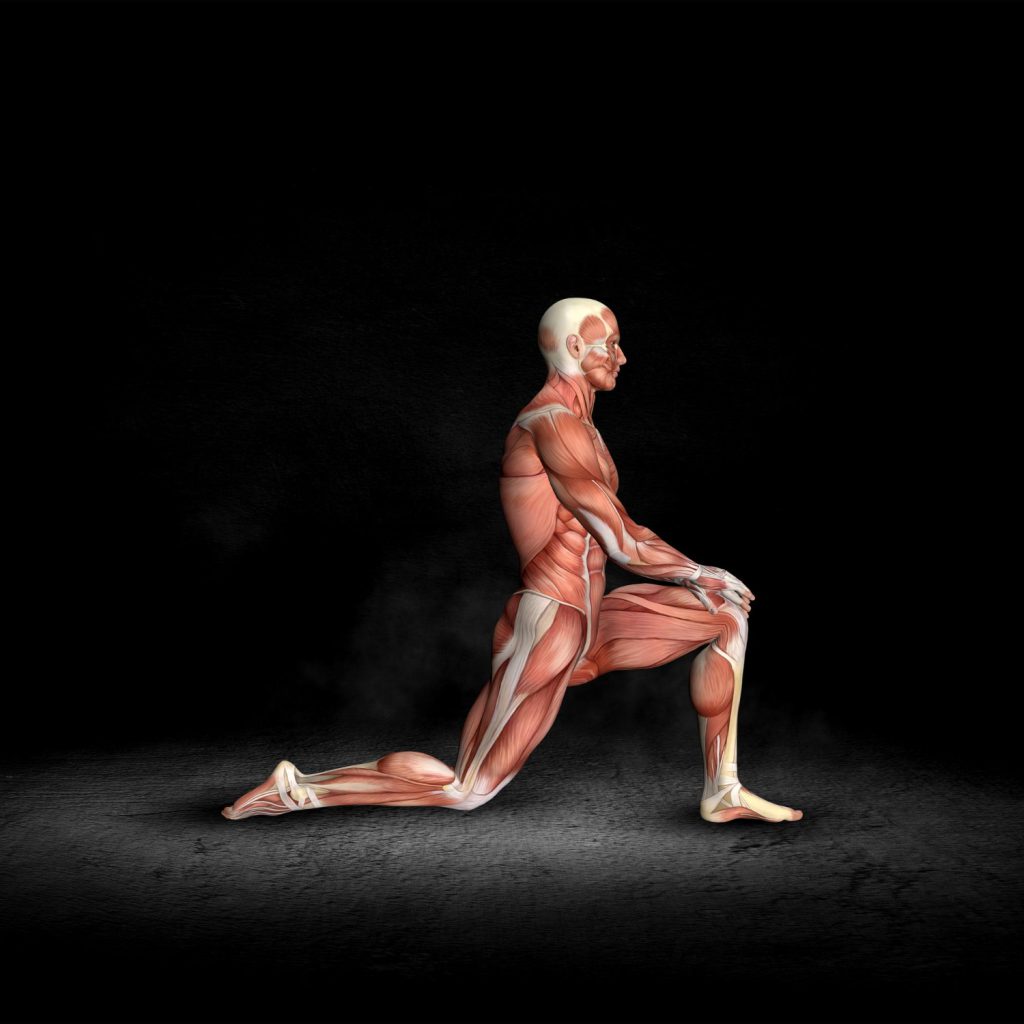
A muscle knot is commonly called a trigger point. It is a tight band inside a muscle that does not relax properly.
When muscle fibers stay contracted for too long, blood flow reduces in that area. The tissue becomes irritated. That is why it feels sore when you press on it.
You may notice:
- Localized muscle pain
- Stiffness when turning the neck
- Upper back tightness
- Shoulder pain
- Reduced range of motion
Some trigger points also cause referred pain. For example, a knot in the shoulder can cause tension headaches.
Why Muscle Knots Happen
In most cases, muscle knots develop because of repeated strain.
Long sitting hours are a common cause. When you sit with rounded shoulders or a forward head posture, certain muscles stay active the whole time. They never fully relax.
Other common causes include:
- Poor posture
- Stress and muscle tension
- Repetitive movements
- Sudden lifting
- Old muscle strain
- Weak stabilizing muscles
If the body is not balanced, one group of muscles works harder than it should. Over time, that overload creates tight muscle bands.
Can You Treat Muscle Knots at Home?
Yes, but only if the knot is mild or recent.
Here are simple steps that can help reduce muscle tightness.
Apply Heat
Heat improves circulation in tight muscle tissue. Use a heating pad for 15 to 20 minutes before stretching.
Slow Stretching
Stretch the affected muscle gently. Do not bounce. Hold for 20–30 seconds. Repeat a few times during the day.
Stretching helps restore normal muscle length.
Self-Myofascial Release
You can use a tennis ball against a wall for upper back muscle knots.
Lean into the painful point. Hold steady pressure. Breathe slowly. Stay there for 30 seconds.
Avoid aggressive rolling. Steady pressure works better for trigger point release.
Move More Frequently
If you sit for long periods, stand up every hour. Even short movement improves blood flow and reduces stiffness.
Why Some Muscle Knots Don’t Improve
If a knot has been present for months, simple stretching may not solve it.
Chronic muscle knots often involve:
- Deep trigger points
- Fascia restriction
- Muscle imbalance
- Joint stiffness
- Nerve sensitivity
In such cases, surface-level treatment gives only short relief. The root cause needs to be addressed.
Professional Treatment for Muscle Knots
When home care does not work, physiotherapy can help.
At VS Physiotherapy Clinic in Lucknow, patients come from different parts of the city for muscle knot treatment, especially for chronic neck pain, upper back stiffness, and shoulder trigger points.
Treatment usually depends on the severity and location of the problem.
Dry Needling
Dry needling targets the trigger point directly. A thin sterile needle is inserted into the tight muscle band. This helps release the contraction and improve blood flow.
It is commonly used for deep muscle knots and persistent myofascial pain.
Cupping Therapy
Cupping therapy creates suction over the skin. This increases circulation and reduces superficial muscle tightness.
It is often used for upper back muscle tension.
Manual Therapy
Manual therapy includes hands-on soft tissue release and joint mobilization.
The goal is not only pain relief but also restoring normal movement patterns.
TENS Therapy
TENS (Transcutaneous Electrical Nerve Stimulation) helps reduce pain signals and relax the muscle.
It is usually combined with other treatment methods for better results.
Shockwave Therapy
Shockwave therapy delivers controlled acoustic waves to the affected tissue.
It is often used for stubborn trigger points and chronic muscle tightness. The treatment stimulates circulation and helps break down long-standing tension patterns.
Super Inductive System (SIS)
The Super Inductive System uses high-intensity electromagnetic stimulation to activate muscles and improve neuromuscular function.
It can help reduce muscle spasm and improve movement in cases where tightness is linked to deeper muscular imbalance.
Class 4 Laser Therapy
Class 4 laser therapy is used to promote tissue healing and reduce inflammation.
It penetrates deeper layers of muscle tissue and may help in cases where chronic knots are associated with ongoing irritation or soft tissue strain.
How Long Does It Take to Heal?
It depends on:
- How long the knot has been present
- Your activity level
- Posture habits
- Muscle strength
Recent muscle tension may improve in a few days.
Chronic trigger points may require multiple physiotherapy sessions along with corrective exercises.
There is no fixed timeline.
Preventing Muscle Knots in the Future
Even if you cannot visit a clinic, you can reduce your risk.
- Strengthen upper back muscles
- Stretch chest and neck muscles
- Maintain neutral spine posture
- Avoid long sitting without breaks
- Manage stress levels
Balanced muscles are less likely to develop tight bands.
When to See a Physiotherapist
You should seek professional help if:
- Pain radiates to the arm or leg
- There is numbness or tingling
- The muscle feels weak
- Pain limits daily activity
- The knot does not improve after two to three weeks
Persistent muscle pain should not be ignored.
Final Note
Learning how to get rid of muscle knots starts with understanding the cause. Stretching and home care can help early muscle tightness. Long-standing trigger points often need targeted treatment.
If you are in Lucknow and struggling with muscle knots that won’t go away, VS Physiotherapy Clinic treats patients from across the city using dry needling, cupping therapy, manual therapy, and TENS for effective trigger point relief.
If visiting is not possible, focus on posture correction, strengthening exercises, and regular movement. Muscles respond to consistent care. Early action usually prevents long-term discomfort.