
Both use warm water, both feel good on sore muscles, and both get called “hydrotherapy” online. So it is easy to assume that a whirlpool tub at home does the same job as hydrotherapy at a physiotherapy clinic.
It does not. Clinic hydrotherapy is a form of physiotherapy. A trained therapist assesses you, plans exercises in a warm pool and changes them as you recover. A whirlpool tub or hot tub is a seated soak with jets. It is very good for relaxing and easing everyday muscle tension, but nobody is guiding your movement and nothing is being measured.
This guide explains how each one works, who each one suits, and when a home tub is not a safe choice.
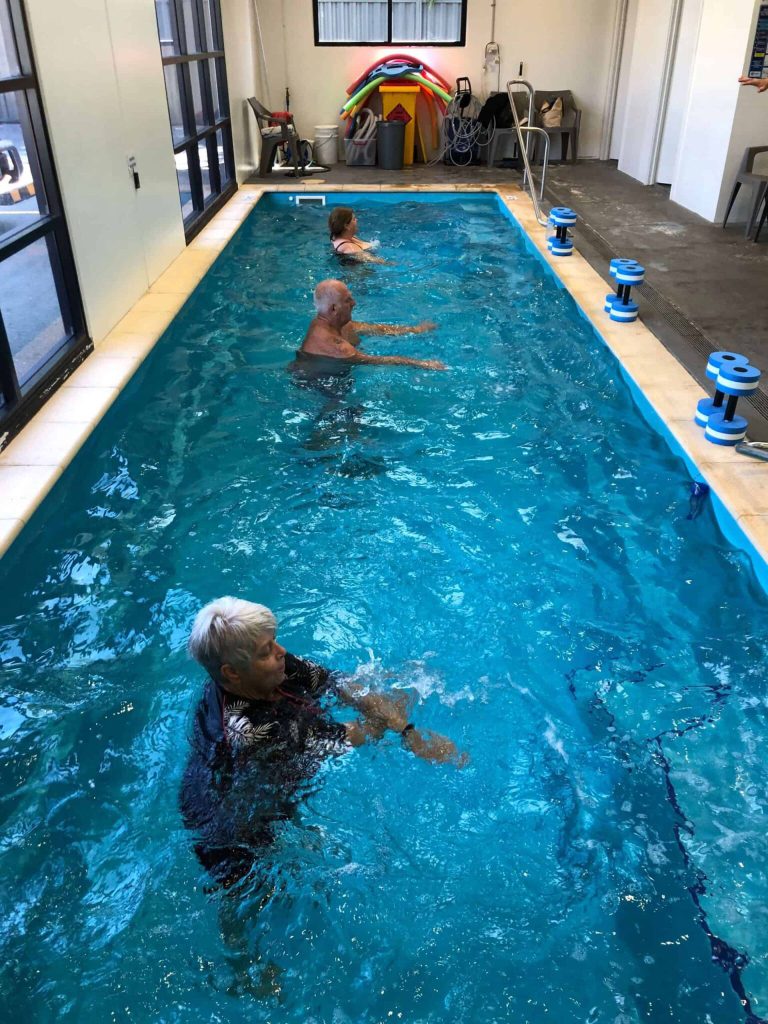
What Is Hydrotherapy in Physiotherapy?
Hydrotherapy, also called aquatic physiotherapy or aqua therapy, is exercise in warm water that a physiotherapist plans and supervises. It works because of a few simple properties of water:
- Buoyancy: water supports part of your body weight, so standing, stepping and moving a stiff joint become easier and less painful
- Resistance: water pushes back against every movement, which builds muscle strength without heavy weights
- Warmth: therapy pools are usually kept at about 32 to 35°C, which relaxes muscles and eases spasm
- Hydrostatic pressure: the even pressure of water around the body helps with swelling and gives a feeling of support
That combination is why someone who cannot yet walk safely on land can often practise walking in a pool. The water slows a loss of balance and gives the therapist time to correct it. Hospital hydrotherapy programmes usually start with an assessment on land, and the water sessions run alongside a land-based exercise plan rather than replacing it.
What Happens in a Clinic Hydrotherapy Session
A hydrotherapy session is active. You spend it moving, not soaking. A typical course looks like this:
1. Assessment first
Your physiotherapist checks strength, balance, walking, sensation and general health, and decides whether water-based rehab is safe for you. Open wounds, infections and some heart or breathing problems need to be ruled out first.
2. Getting in safely
You enter the pool using steps with rails, with the therapist close by. Patients with limited mobility get hands-on support.
3. Exercises built around your goals
These can include walking in water, standing balance, sit-to-stand practice, leg and arm strengthening and trunk control. Floats and water weights make each movement easier or harder.
4. Progression
Support is reduced and resistance is added as you improve. The aim is always to carry the gains back onto land, into walking, climbing stairs and daily tasks.
5. Session length
Most sessions last 30 to 60 minutes, depending on your condition and how much you can tolerate.
What a Whirlpool Tub or Hot Tub at Home Does
A whirlpool tub is a bathtub with built-in jets. Some use water jets, some use air bubble jets, and many use both. Better models add a heater to hold the water temperature, back and leg jets, lights and a digital control panel. A hot tub is usually larger, often sits outdoors and keeps a big volume of water hot all the time for several people.
If you are planning a bathroom upgrade, a whirlpool bathtub with back and leg jets is the most practical way to bring this kind of warm-water massage home. You sit or recline, and the jets work on the back, shoulders and legs.
Used sensibly, a home tub is good for:
- Relaxing and switching off after a long day
- Easing tight neck, shoulder and back muscles after hours at a desk or behind the wheel
- Soothing general soreness after exercise or physical work
- Winding down before sleep
What it does not have is a plan. Nobody checks what is causing your pain, nobody chooses your exercises, and you stay mostly still. Hot tubs are also usually run hotter than therapy pools, often up to around 40°C. That suits a short soak, not a long exercise session.
Hydrotherapy vs Whirlpool Tub: 6 Key Differences
1. Purpose
Hydrotherapy is treatment aimed at a specific recovery goal, such as walking further or lifting an arm. A whirlpool tub is for comfort and relaxation.
2. Who guides you
In hydrotherapy, a physiotherapist designs and supervises every session. At home, you are on your own.
3. Active vs passive
Hydrotherapy is exercise. You walk, balance, stretch and strengthen against the water. In a tub, the jets do the work while you sit still.
4. Water depth and body position
A therapy pool is deep enough to stand and walk in, often around waist to chest height. A tub keeps you seated or reclined, so you cannot practise standing or walking.
5. Temperature
Therapy pools stay at a comfortable warm level for exercise. Hot tubs run hotter, which feels good briefly but makes long sessions tiring and, for some people, unsafe.
6. Measuring progress
A physiotherapist tracks your strength, balance and walking from week to week and adjusts the plan. A home tub gives you a pleasant soak, but no record of whether anything is improving.
Who Needs Hydrotherapy at a Clinic
Clinic hydrotherapy is most useful when the goal is to rebuild movement, strength or balance. It is commonly used for:
- Recovery after a stroke, alongside land-based rehab (see our guide on how long stroke recovery takes)
- Spinal cord injury, Parkinson’s disease, multiple sclerosis and other neurological conditions
- Muscle weakness after a long illness, hospital stay or bed rest
- Poor balance or a fear of falling
- Rehab after knee or hip replacement, or after a ligament injury such as an ACL tear
- Arthritis and joint pain, where exercise on land is too painful to start with
- Long-standing back pain and widespread muscle pain
For neuro patients in particular, the water makes it possible to practise standing and stepping before they can manage it safely on land, with a physiotherapist right beside them. That is the part a home tub cannot copy.
When a Whirlpool Tub at Home Makes Sense
For a healthy adult, a whirlpool tub is a good investment in comfort. It suits you if your main goals are relaxation, stress relief and easing the everyday stiffness that builds up from sitting, driving or training. Warm water can also help before stretching, if you are working on ways to loosen tight muscles.
It is not a substitute for rehab. If you have weakness, numbness, pain spreading down an arm or leg, a recent injury or a neurological condition, get assessed by a physiotherapist first.
Who Should Check With a Doctor Before Using a Hot Tub
Hot water raises your body temperature and widens blood vessels. That is relaxing for most people, but it is a real risk for some. Check with your doctor first if any of these apply:
- You are pregnant, especially in the first three months
- You have heart disease, or very high or very low blood pressure
- You have diabetes with reduced feeling in your feet, since you may not notice if the water is too hot
- You have open wounds, a skin infection or a surgical scar that has not fully healed
- You have had a recent stroke or have poor balance, since getting in and out of a wet tub can lead to a fall
- You have been drinking alcohol
For healthy adults, keep the water no hotter than 40°C, keep each soak short (around 10 minutes is a common guideline), and get out straight away if you feel dizzy or unwell. Keep the water clean and treated, because warm water that is not looked after can grow bacteria.
Can You Use Both?
Yes. Many people attend hydrotherapy at a clinic for recovery and use a warm tub at home to relax. The two do not compete. If you are in rehab, especially after a stroke or other neuro problem, ask your physiotherapist whether a home soak is safe for you and at what temperature. And do not treat a home tub as a replacement for missed sessions.
Hydrotherapy at VS Neuro Rehab & Hydrotherapy Centre, Lucknow
VS Physiotherapy offers hydrotherapy at its sister centre, VS Neuro Rehab & Hydrotherapy Centre, a short walk from the main clinic in Kalyanpur West. The team is led by Dr. Venkatesh Mishra, a physiotherapist with 15+ years of experience.
The pool is used for neuro rehabilitation, such as stroke and spinal cord injury, and for orthopaedic rehab after surgery, arthritis and sports injuries. Your physiotherapist assesses you first, decides whether water-based rehab suits you, and combines pool sessions with land-based exercise where needed.
📞 Call 70079 32170 to book an assessment.
Frequently Asked Questions
Can you do hydrotherapy in a hot tub?
A hot tub can ease tight muscles, but it is not hydrotherapy in the physiotherapy sense. Proper hydrotherapy needs room to stand and walk, water kept at a comfortable exercise temperature, and a therapist guiding you. A hot tub is too small and usually too hot for a 30 to 60 minute exercise session.
What are the disadvantages of hydrotherapy?
You have to travel to a centre with a pool, regular sessions add up in cost, and some people feel tired or achy after the first few sessions. It is not suitable for everyone, for example people with open wounds, infections or certain heart conditions. It also works best alongside land exercises, not on its own.
What are the disadvantages of a hot tub?
The upfront cost, electricity use and ongoing water care. Poorly maintained water can grow bacteria. Staying in too long or too hot can cause dizziness or overheating, and hot tubs are not advised for some people, including those who are pregnant or have heart problems.
Is a jacuzzi good for back pain?
Warm water and jets can ease muscle-related back stiffness for a while. They will not fix the cause. If your back pain comes with numbness, tingling, leg pain or weakness, or follows a fall or injury, see a physiotherapist before relying on a tub.
How many hydrotherapy sessions will I need?
There is no fixed number. A joint problem may need a short course over a few weeks, while neurological rehab often runs longer and is combined with land-based physiotherapy. Your physiotherapist reviews your progress regularly and adjusts the plan.
Is hydrotherapy good for stroke patients?
It is often useful once the patient is medically stable. The water lets them practise standing, weight-shifting and walking with less fear of falling. It works best as part of a wider stroke rehab programme, not as the only treatment.
The Bottom Line
Hydrotherapy at a clinic is personalised treatment. A physiotherapist assesses you, plans every exercise and adjusts it as you get stronger. That makes it the right choice for recovery after a stroke or other neurological problem, after surgery, or when muscles have lost strength.
A whirlpool tub or hot tub is something anyone can buy online and fit at home. It is excellent for relaxation and easing everyday tension, but it is not rehab. If you want to feel calmer at the end of the day, a home tub fits well. If you want to walk better, stand longer or get your strength back, start with a physiotherapist.
VS Physiotherapy Osteopathy Center and Chiropractic Clinic
C-18 Kalyanpur (West), Front of SRM (TATA) Motors, Mazar Wali Gali, Tedhi Pulia Ring Rd, Lucknow, UP 226022
📞 Call 70079 32170
This article is for general information. It does not replace an examination by a qualified physiotherapist or doctor.
References: Guy’s and St Thomas’ NHS: Hydrotherapy · Frimley Health NHS: Hydrotherapy and aquatic therapy · HealthLinkBC: Residential hot tubs and pools · Cleveland Clinic: Are hot tubs good for you?