
If you are searching for effective neck pain treatment in Lucknow, you are far from alone. Long hours bent over phones and laptops, poor posture, and rising stress levels have made neck pain one of the most common complaints we see in students, IT professionals, homemakers, and older adults alike. The good news is that most neck pain responds very well to the right combination of physiotherapy and chiropractic care, without medicines or surgery.
This guide explains what causes neck pain, the warning signs you should never ignore, and exactly how physiotherapy and chiropractic treatment work to relieve it. At VS Physiotherapy Osteopathy and Chiropractic Clinic in Lucknow, we offer both approaches under one roof which means you get a treatment plan built around the real cause of your pain, not just the symptom.
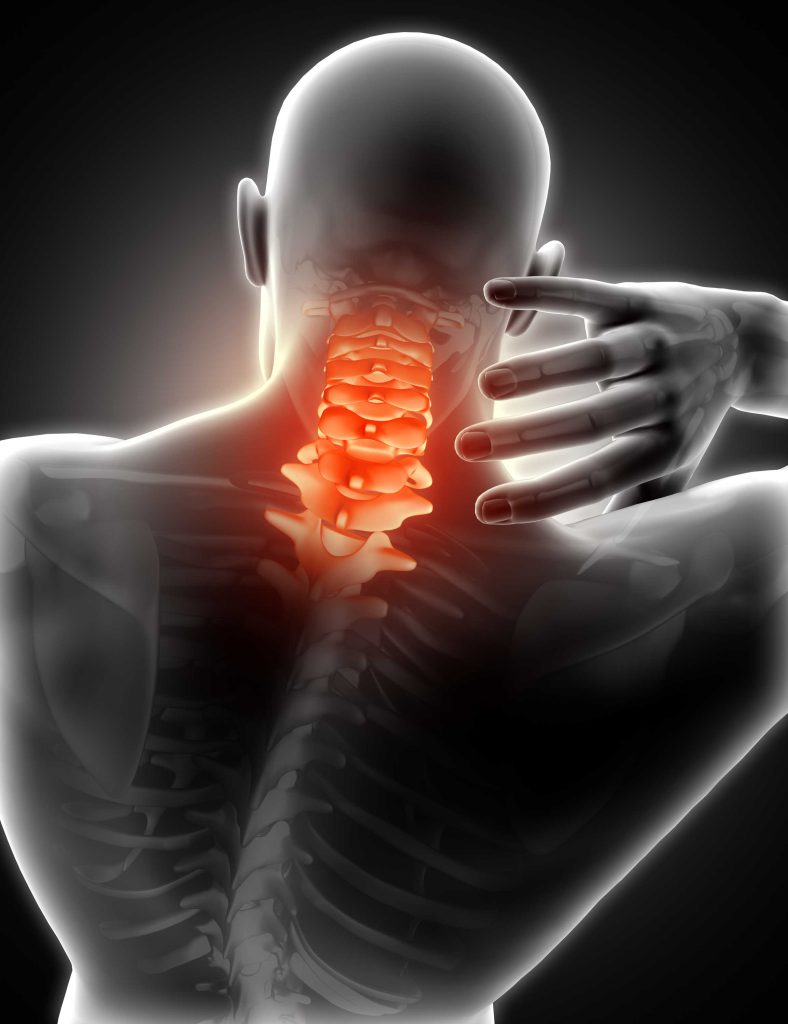
Understanding Neck Pain: What’s Actually Happening
Your neck, the cervical spine is a remarkable structure. Seven small vertebrae support the full weight of your head (around 5 kg), cushioned by discs and held together by muscles, ligaments, and nerves that travel down into your shoulders and arms.
This design gives you a huge range of movement, but it also makes the neck vulnerable. When the muscles are overworked, the joints stiffen, or a disc presses on a nerve, the result is pain, stiffness, and sometimes tingling that spreads beyond the neck itself. Understanding which of these structures is involved is the first step to treating the pain properly, and it is exactly what a professional assessment is designed to find.
Common Causes of Neck Pain
Poor Posture and “Tech Neck”
The single biggest driver of neck pain today is posture. Every time you tilt your head forward to look at a screen, the strain on your neck muscles multiplies. Hours of this, what’s often called “tech neck” or “text neck”, leaves the muscles fatigued, the joints overloaded, and the upper back rounded. It is the most common reason younger patients in Lucknow come to us.
Cervical Spondylosis (Age-Related Wear)
As we age, the discs and joints in the neck naturally wear down. This is known as cervical spondylosis, and it can cause stiffness, a grinding sensation, and pain that comes and goes. It is very common after the age of 40 and usually manageable with the right care.
Muscle Strain and Poor Sleeping Position
Sleeping on too many pillows, an unsupportive mattress, or an awkward position can leave you waking with a stiff, painful neck. Sudden movements, carrying heavy bags on one shoulder, or long drives can strain the muscles too.
Herniated Disc and Pinched Nerve
Sometimes a disc bulges and presses on a nearby nerve. This can send pain, numbness, or weakness down into the shoulder, arm, or hand, a condition called cervical radiculopathy. It needs proper assessment and is something both physiotherapy and chiropractic care can help with.
Stress and Lifestyle
Emotional stress causes us to unconsciously tense the muscles at the base of the neck and shoulders. Combined with little physical activity, this is a quiet but very real contributor to chronic neck pain.
Warning Signs: When Neck Pain Needs Professional Care
Most neck pain is muscular and settles with the right treatment. But some symptoms point to something that needs prompt attention. See a healthcare professional without delay if your neck pain comes with any of the following:
- Numbness, tingling, or weakness in your arms or hands
- Pain that shoots down one arm
- Neck pain following a fall, accident, or sudden jolt
- Dizziness, severe headaches, or problems with balance
- Fever, unexplained weight loss, or pain that wakes you at night
- Loss of bladder or bowel control (seek emergency care immediately)
If you are unsure, it is always safer to get assessed. A short consultation can rule out anything serious and put you on the right path quickly.
How Physiotherapy Treats Neck Pain
Physiotherapy addresses the root mechanical causes of neck pain, tight muscles, weak supporting muscles, stiff joints, and poor posture. A typical plan may include:
- Manual therapy and mobilisation to gently free stiff cervical joints and ease muscle tension.
- Targeted strengthening and stretching exercises to support the neck and prevent the problem returning.
- Posture correction and ergonomic advice tailored to how you work and sleep.
- Pain-relieving modalities such as TENS therapy, heat, and electrotherapy to calm pain and inflammation.
- Dry needling to release tight muscle knots (trigger points) that refer pain into the neck and head.
- Cervical traction and advanced technology like PEMF therapy to support healing in disc and joint-related pain.
The strength of physiotherapy is that it does not just relieve today’s pain, it builds the muscle control and movement habits that keep the pain from coming back.
How Chiropractic Care Helps Neck Pain
Chiropractic care focuses on the alignment and movement of the cervical spine. When neck joints become restricted or misaligned, they can irritate surrounding nerves and muscles. A chiropractor uses precise, controlled adjustments to restore normal joint movement, which can quickly relieve stiffness and pain and improve your range of motion.
“Is it safe to have my neck adjusted?” This is the question we hear most. When performed by a trained, qualified practitioner who first screens your history and examines you properly, cervical adjustment is widely considered safe, and serious complications are very rare. The key is proper assessment beforehand which is exactly why we never adjust without understanding your full picture first. If chiropractic adjustment is not suitable for you, we simply use another approach.
Physiotherapy vs Chiropractic: Which One Do You Need?
This is the wrong question for most people because the best results usually come from combining both.
Think of it this way: chiropractic care is excellent at restoring joint movement and giving fast relief from stiffness, while physiotherapy is excellent at strengthening the neck and correcting the habits that caused the problem. Used together, the adjustment relieves the pain and the physiotherapy makes that relief last.
This is the real advantage of being treated at VS Physiotherapy: you do not have to choose. We offer physiotherapy, chiropractic, and osteopathy together, so your plan is built around what your neck actually needs, not around the only service a clinic happens to offer.
5 Safe Neck Exercises You Can Do at Home
These gentle movements can ease everyday stiffness. Important: if you have severe pain, numbness, or arm weakness, get assessed before exercising, these are for general stiffness, not for diagnosed conditions.
- Chin tucks: Gently draw your chin straight back (making a “double chin”). Hold 5 seconds, repeat 10 times. Excellent for tech neck.
- Neck side stretch: Slowly tilt your ear toward your shoulder until you feel a gentle stretch. Hold 15–20 seconds each side.
- Slow neck rotations: Turn your head gently to look over each shoulder. Keep it smooth and pain-free.
- Shoulder rolls: Roll your shoulders backward 10 times to release tension across the upper back.
- Upper trapezius stretch: Gently guide your head toward one side with your hand for a deeper stretch of the side of the neck.
Move slowly, never push into sharp pain, and stop if symptoms worsen.
How to Prevent Neck Pain: Posture and Ergonomic Tips
A few simple habits prevent most everyday neck pain:
- Raise your screen to eye level so you are not looking down for hours.
- Hold your phone up instead of dropping your head to look at it.
- Take a movement break every 30–40 minutes, stand, stretch, and reset your posture.
- Sleep smart: use a single supportive pillow that keeps your neck in line with your spine, and avoid sleeping on your stomach.
- Strengthen and stay active: regular activity keeps the supporting muscles strong and resilient.
Why Choose VS Physiotherapy and Chiropractic Clinic in Lucknow
Founded in 2016, VS Physiotherapy Osteopathy and Chiropractic Clinic has become one of Lucknow’s most trusted centres for advanced, holistic rehabilitation. Led by Dr. Venkatesh Mishra, our team treats the cause of your neck pain, not just the symptom, combining hands-on expertise with modern technology.
- Integrated care: physiotherapy, chiropractic, and osteopathy in one place.
- Accurate diagnosis first, so treatment targets the real problem.
- A complete recovery plan that relieves pain and helps prevent it returning.
If neck pain is affecting your work, sleep, or daily life, the best first step is a proper assessment.
📍 C-18, Kalyanpur (West), Front of SRM (TATA) Motors, Mazar Wali Gali, Tedhi Pulia Ring Rd, Lucknow, Uttar Pradesh 226022
📞 Call: +91 70079 32170
💬 WhatsApp us
Frequently Asked Questions
Should I see a physiotherapist or a chiropractor for neck pain?
For most people, a combination works best. Chiropractic care restores joint movement and gives fast relief, while physiotherapy strengthens the neck and corrects the underlying cause. At VS Physiotherapy we assess you first and recommend the right mix.
Is it safe for a chiropractor to adjust my neck?
When performed by a trained, qualified practitioner who examines and screens you first, cervical adjustment is widely regarded as safe, and serious complications are very rare. Proper assessment beforehand is what keeps it safe.
How long does neck pain take to heal?
Simple muscular neck pain often improves within a few days to a couple of weeks. Chronic conditions like cervical spondylosis or disc-related pain take longer and respond best to a structured treatment plan. Your therapist will give you a realistic timeline after assessing you.
What is the best sleeping position for neck pain?
Sleeping on your back or side with a single supportive pillow that keeps your neck level with your spine is best. Avoid sleeping on your stomach, which twists the neck for hours.
Why won’t my neck pain go away?
Persistent neck pain usually means the root cause, posture, a stiff joint, a weak muscle group, or a nerve issue has not been addressed. Painkillers mask it but do not fix it. A proper assessment identifies the cause so treatment can actually resolve it.
Can neck pain cause headaches or dizziness?
Yes. Tension and joint problems in the upper neck are a common cause of headaches (called cervicogenic headaches) and can sometimes contribute to dizziness. These often improve once the neck is treated.
Don’t Let Neck Pain Limit Your Day
Neck pain is common, but it is also highly treatable. With an accurate diagnosis and the right blend of physiotherapy and chiropractic care, most people get lasting relief, and learn how to keep the pain from returning. If you are looking for trusted neck pain treatment in Lucknow, our team is here to help you move freely again.
Book your consultation today »
Medically reviewed by Dr. Venkatesh Mishra, Physiotherapist, VS Physiotherapy Osteopathy and Chiropractic Clinic, Lucknow. Last updated: June 2026.
Disclaimer: This article is for educational purposes only and is not a substitute for professional medical advice. Always consult a qualified physiotherapist or doctor for diagnosis and treatment of your individual condition.